Finding the Best Gunsmith Near Me for Home Defense and Protection

Selecting the right firearm for home defense is a critical decision that requires careful consideration. The safety of your household, ease of use, and your comfort level with handling firearms should all play a role in your choice. This guide will help break down key factors to ensure you find the best gun for protecting your home and loved ones.

Assessing Your Needs

  • Who will be using the firearm?
    Will it be just you or other members of your household as well? If others, consider their familiarity with firearms and physical capability.
  • What is the layout of your home?
    Do you live in an apartment, single-family house, or rural property? Homes with tighter spaces may demand different types of firearms compared to larger properties.
  • How confident are you in operating a firearm?
    Beginner users may benefit from simpler firearms with fewer mechanisms, while experienced users may feel comfortable with more complex options.

Types of Firearms for Home Defense

The most commonly recommended firearms for home defense fall into three categories: handguns, shotguns, and rifles. Each has its benefits and trade-offs depending on your needs.

Type Advantages Drawbacks
Handgun – Compact and easy to store – Generally less stopping power than rifles or shotguns
– Convenient for maneuvering in tight spaces – Requires precision aiming under stress
– Can be easily concealed if needed
Shotgun – Effective stopping power at close range – Larger size makes it harder to maneuver indoors
– Less need for precise aiming due to spread pattern – Recoil can be challenging for beginners
Rifle – Excellent accuracy and stopping power – Overpenetration risk in urban settings
– Suitable for longer distances if necessary – Bulky design may not suit all households

Key Features To Look For

  1. Ease of Use: A simple operating mechanism ensures quick response times during emergencies.
  2. Ergonomics: The firearm should feel comfortable in your hand or against your shoulder.
  3. Reliability: You want a firearm known for consistent performance without frequent malfunctions.
  4. Ammunition Capacity: Consider how many rounds the gun can hold before requiring reloading.
  5. Recoil Management: Guns with high recoil can be difficult for some users to handle effectively.

Testing Before Purchase

If possible, visit a shooting range that allows you to test different models before committing to a purchase. This hands-on experience will give you insights into:
– How comfortable you feel handling each type. – Accuracy potential when firing under realistic conditions. – Confidence in working safety mechanisms like safeties or slides.

Final Thoughts on Selecting Your Firearm

Choosing the best home defense gun is about striking a balance between effectiveness, usability, and comfort level. Always prioritize proper training once you’ve made your purchase so that you’re fully prepared to handle it responsibly during emergencies.

The Top 10 Best Home Defense Guns Available at a Gun Shop Michigan

When it comes to protecting your family and property, selecting the right home defense firearm is essential. The ideal home defense gun should balance ease of use, stopping power, reliability, and safety. Below is a list of the top 10 guns commonly recommended for home defense purposes. Each choice offers unique advantages depending on your needs.

Top Gun Dealer Michigan: Remington 870 Shotgun

  • Type: Pump-action shotgun
  • Gauge: 12-gauge or 20-gauge
  • Why It’s Great: The Remington 870 is widely regarded as one of the most reliable shotguns ever made. Its simple pump-action mechanism makes it easy to use under stress, and the wide spread pattern of buckshot increases accuracy in close quarters.

Mossberg 500 Shotgun Available at Top Gun Store Michigan

  • Type: Pump-action shotgun
  • Gauge: 12-gauge or .410 bore
  • Why It’s Great: Similar to the Remington 870, the Mossberg 500 stands out for its durability and ease of customization. With many aftermarket accessories available, you can tailor this gun to suit your specific home defense needs.

Glock 19: Top Choice for Those Looking to Buy Guns in Michigan

  • Type: Semi-automatic pistol
  • Caliber: 9mm
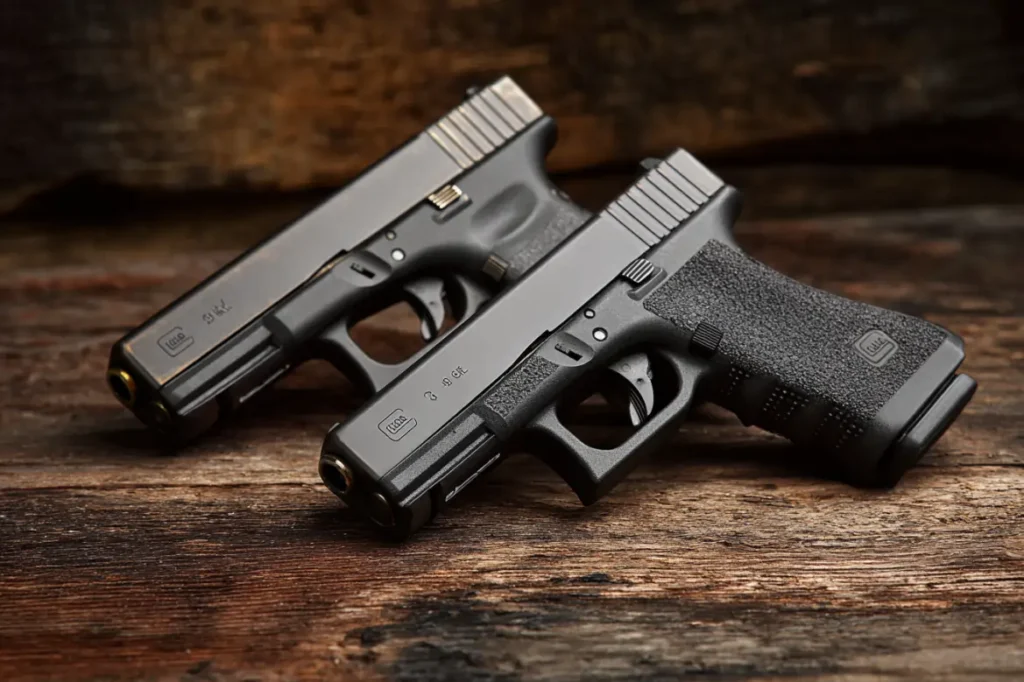
  • Why It’s Great: Lightweight, compact, and highly reliable, the Glock 19 is an excellent option for those wanting a handgun for home defense. It offers a good mix of stopping power and manageable recoil.

Smith & Wesson M&P Shield Plus (Handgun)

  • Type: Compact semi-automatic pistol
  • Caliber: Available in both .380 ACP and 9mm variants
  • Why It’s Great: Known for its ergonomic grip design and enhanced safety features, this handgun is perfect for those who prefer a smaller yet powerful weapon.

AR15 Platform Rifles (Customizable Options)

  • Type: Semi-auto rifle based on AR15 platform
  • Caliber Options: | Popular Calibers | Benefits | |——————|—————————————-| | .223/5.56 NATO | High accuracy; effective stopping power|

Customization matters flexibility across optic-users urban-tightness

Exploring the Different Types of Guns: Choosing the Right Fit for You

When it comes to selecting a firearm, understanding the different types of guns available is crucial. Each category serves unique purposes, and choosing the right one depends on your individual needs, experience level, and intended use. Below is an overview of key firearm types to help guide your decision-making process.

Handguns

  • Feature detachable magazines for faster reloading.
  • Common calibers include 9mm, .40 S&W, and .45 ACP.
  • More capacity compared to revolvers (e.g., 10-15+ rounds per magazine).
  • Simpler mechanics with a rotating cylinder that holds ammunition (usually 5-6 rounds).
  • Reliable and easy to maintain but slower to reload compared to semi-automatics.

Consider handguns if you need something portable for self-defense or concealed carry.

Shotguns

  • Pump-Action Models: Require manual operation of a sliding forearm between shots. Known for reliability and affordability.
  • Semi-Automatic Models: Automatically chamber the next round after each shot for faster follow-up shots.
  • Break-Action Shotguns: Open manually at the breech for loading individual shells; typically double-barreled.

Shotguns are excellent choices for close-range defense due to their wide spread pattern but may require training to handle recoil effectively.

Rifles

  1. Manually operated with a bolt mechanism.
  2. Primarily used by hunters or long-range shooters due to their accuracy.
  3. Cycle rounds automatically after each shot without manual operation of the action.
  4. Popular options like AR-style rifles can be configured for various uses such as sport shooting or pest control.
  5. Use a lever mechanism beneath the trigger guard to chamber rounds.
  6. Associated with traditional hunting applications.

Comparing Firearm Types: An Overview Table

Type Primary Use Key Features Pros Cons
Handgun Personal defense Compact; portable Easy concealment; versatile Limited range & power
Shotgun Home defense, hunting Fires multiple pellets or slugs Effective at close range Bulky; noticeable recoil
Rifle Hunting, sport shooting Long barrels; precise targeting Superior range & accuracy Less suitable in tight spaces

Factors to Consider When Choosing a Gun

  1. Purpose of Ownership – Are you purchasing this gun for home defense, recreational target practice, or hunting? Different guns excel in different scenarios.
  2. Comfort & Fit – Ensure that you can comfortably hold and operate the firearm safely.
  3. Level of Experience – Beginners may prefer simpler designs like revolvers or pump-action shotguns until they become more familiar with firearms.
  4. Ammunition Availability – Choose calibers with readily available ammunition that fits your intended use case while staying within budget.

By exploring these options carefully and reflecting on your specific requirements, you can make an informed decision about which firearm is right for you while prioritizing safety above all else.

Essential Factors When Selecting Ammunition for Your Firearm

Choosing the right ammunition for your firearm is a critical decision that impacts performance, reliability, and safety. Different firearms require specific ammunition types, and understanding the factors that go into this selection can make all the difference. When in doubt consult with gun experts at your local Michigan Gun Shop at https://armedinmichigan.com.

Below are essential considerations to keep in mind when selecting ammunition for your firearm.

Understand Your Firearm’s Caliber Requirements

  • Check your firearm’s manual for recommended calibers.
  • Inspect markings on your firearm, typically located on the barrel or slide, indicating the required caliber.
  • Match the ammunition box labeling with your firearm’s specifications.

Consider Ammunition Types Based on Purpose

Purpose Ammo Type Key Features
Self-Defense Hollow Point Expands upon impact to maximize stopping power
Hunting Soft Point or Ballistic Tip Provides controlled expansion and penetration
Target Shooting Full Metal Jacket (FMJ) Cost-effective and reliable for practice
Competitive Shooting Match Grade High precision with consistent performance

Select ammunition that aligns with your primary use case while adhering to local regulations.

Evaluate Quality and Reliability

  • Reputable brands known for quality control.
  • Reviews from experienced users and professionals.
  • Consistent case length, primer seating, and powder loads within the cartridges.

Assess Recoil Management

The amount of recoil generated by specific ammunition plays a role in comfort and accuracy during shooting. Choose lighter loads if you’re new to firearms or if you’re sensitive to recoil. For defensive purposes, test different loads to find one you can handle confidently while maintaining quick follow-up shots.

Take Local Laws into Account

  • Hollow-point bullets may be restricted in some states.
  • Armor-piercing rounds are often prohibited under federal law.

Familiarize yourself with any applicable laws before making a purchase.

Storage Considerations

  • Ammunition is kept in a cool, dry place away from direct sunlight.
  • It is stored in airtight containers to prevent moisture damage.
  • You rotate older stock periodically to avoid using degraded rounds.

Choosing appropriate ammunition involves careful consideration of factors like compatibility, purpose-specific design, quality assurance, legal compliance, and storage practices. By taking these elements into account, you can ensure optimal performance and safe operation of your firearm at all times.

Keeping Your Firearm Secure: Tips for Responsible Gun Ownership

Responsible gun ownership extends beyond proper handling and usage. Keeping your firearm secure is critical for ensuring safety, preventing theft, and avoiding accidents. Below are several strategies and tips to enhance firearm security, protect your household, and uphold responsible ownership.

Invest in a Quality Gun Safe

  • Locking Mechanism: Choose between biometric locks, combination locks, or keyed locks based on your preferences and level of security required.
  • Fire Resistance: Opt for safes that provide fire protection to safeguard against potential disasters.
  • Size: Select a safe large enough to accommodate your current firearms while leaving room for future additions.
Safe Type Features Pros Cons
Biometric Safe Fingerprint access Quick access; highly secure May require batteries
Combination Safe Numeric code entry No power needed; durable Slower access
Keyed Safe Physical key Simple; affordable Lost keys can be an issue

Use Trigger Locks or Cable Locks

  • A trigger lock clamps around the trigger mechanism, making it impossible to pull the trigger until removed.
  • A cable lock weaves through the action of the gun, rendering it inoperable until unlocked.

These tools are especially useful when children or visitors are present in your home.

Practice Safe Storage Practices

  1. Always store firearms unloaded when not in use.
  2. Store ammunition separately from firearms.
  3. Use lockable storage solutions, such as cabinets or cases if a gun safe is not available.
  4. Keep firearms out of sight to reduce temptation for theft.

Educate All Members of Your Household

  • Teach family members, especially children, about the dangers of handling guns without supervision.
  • Reinforce that firearms should never be treated as toys.
  • Consider taking firearm safety courses together as a family to build awareness and understanding.

Secure Firearms During Travel

  1. Use locking cases specifically designed for firearm transportation.
  2. Ensure compliance with local laws regarding carrying and storing guns during travel.
  3. Never leave a firearm unattended inside a vehicle.

Regularly Inspect Security Measures

Lastly, periodically inspect all security equipment such as safes, locks, and storage systems to ensure they remain functional and effective over time.

By implementing these strategies into your routine as a firearm owner, you can significantly reduce risks while fostering a culture of responsibility around guns within your household or community. Responsible ownership not only protects those around you but also upholds trust within society regarding lawful use of firearms.


Finding the Best Gunsmith Near Me: Tips for Choosing the Right Pistol for Home Defense

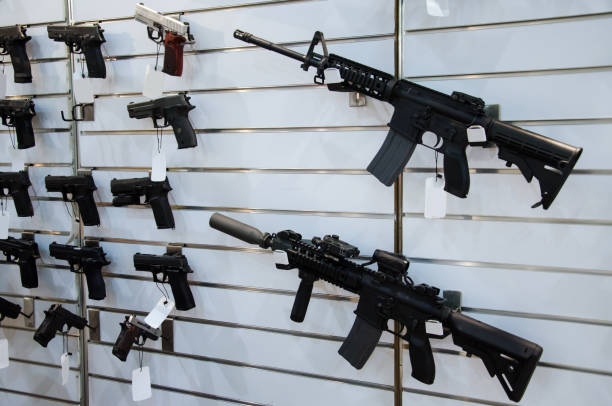
Lots of Assault rifles on wooden gun rack Color image of military grade assault rifles easily purchased and for sale in America on gun stand Gun SHop stock pictures, royalty-free photos & images

Choosing the right pistol for home defense is a critical decision that can directly impact personal safety and peace of mind. Given the vast variety of firearms on the market, it’s essential to weigh several factors carefully to ensure you select a reliable and effective option tailored to your needs. Below are some key considerations when choosing a pistol for home defense.

1. Reliability and Performance

The most important factor when selecting a pistol for home defense is reliability. A defensive firearm must perform consistently under any circumstance. Look for models that have been tested extensively by manufacturers and have strong reputations in real-world scenarios.

Features that indicate reliability include: – Proven track record among law enforcement or military users. – Quality craftsmanship with durable materials like steel or polymer. – Few reports of malfunctions or jams in reviews and user feedback.

2. Caliber Selection

The caliber of your pistol determines its stopping power, recoil, and ease of use. For home defense, balance is key — you want enough stopping power to neutralize threats but not so much recoil that it becomes difficult to handle.

Popular calibers for home defense include: | Caliber | Pros | Cons | |—————-|———————————–|———————————–| | 9mm | Moderate recoil; affordable ammo | Slightly less stopping power | | .45 ACP | High stopping power | Greater recoil; higher ammo cost | | .40 S&W | Good middle ground | Sharper recoil than 9mm |

3. Ergonomics and Comfort

The way a pistol feels in your hand can greatly influence accuracy and ease of use during high-stress scenarios. Choose a firearm with an ergonomic grip that fits comfortably in your hand size.

Considerations for ergonomics: – Textured grip for better handling in wet or sweaty conditions. – Weight distribution — heavy enough to reduce recoil but easy to maneuver. – Ambidextrous controls if multiple family members will use it.

4. Capacity vs. Size

Home-defense pistols should strike a balance between ammunition capacity and overall size. Larger pistols typically hold more rounds but may be difficult to handle or store securely.

Key considerations: – Compact pistols are easier to store but often have reduced capacity. – Full-size pistols offer higher capacities ideal for emergencies but may require secure storage solutions such as safes or quick-access lockboxes.

5. Night Sights and Accessories

In low-light situations, having proper aiming aids like night sights can make all the difference when defending your home.

Essential accessories include:Night sights: Improve visibility in dark environments. – Weapon-mounted flashlight: Helps identify threats without fumbling with separate tools. – Laser sight: Useful for improving target acquisition under stress.

6. Budget Considerations

Investing in a quality pistol doesn’t mean breaking the bank, but it’s important not to sacrifice performance by opting for overly cheap options. Set aside funds not only for the firearm itself but also: – Ammunition costs (both practice rounds and defensive rounds). – Accessories like holsters or safes. – Training courses or shooting range fees.

Selecting the best pistol for your home requires careful consideration of these factors alongside personal preferences and needs. By prioritizing reliability, comfort, safety features, and appropriate accessories, you can make an informed choice tailored specifically to safeguarding yourself and your loved ones effectively during potential threats.

Essentials for Beginners: Responsible Pistol Ownership from a Gun Shop in Michigan

For individuals new to pistol ownership, understanding and embracing responsible practices is essential. Owning a firearm comes with significant responsibilities, both in terms of safety and legal obligations. Below are key aspects every beginner needs to be aware of when embarking on their journey as a pistol owner.

Education and Training for Becoming a Gun Dealer in Michigan

  • Take a certified firearm safety course: Many organizations offer courses that cover safe handling, storage, and usage.
  • Learn the parts of your firearm: Understand the components of pistols, such as the slide, trigger guard, magazine, and safety mechanisms.
  • Practice basic operations: Learn how to load/unload magazines safely, chamber rounds properly, clear malfunctions, and clean the firearm.

Safe Storage Practices for Gun Store Michigan Customers

Storage Method Description
Lockable Gun Safe Provides secure storage for firearms and prevents theft or misuse.
Trigger Locks A device that blocks the trigger from being pulled until removed by a key.
Biometric Safes Advanced safes using fingerprint recognition for quick yet controlled access.

Always store ammunition separately from the pistol in an equally secure location.

Guide to Understanding How to Buy Guns in Michigan

  • Licensing/Permit Requirements: Some states require permits to own or carry a pistol.
  • Storage Law Compliance: Certain jurisdictions mandate particular storage methods.
  • Transporting Firearms Legally: Understand how you’re allowed to transport pistols (e.g., unloaded in a locked container).

Failure to adhere to legal standards can result in fines or criminal charges.

Developing Safe Handling Habits

  1. Always treat every firearm as if it’s loaded.
  2. Never point the muzzle at anything you’re not prepared to destroy.
  3. Keep your finger off the trigger until ready to shoot.
  4. Know your target and what’s beyond it.

These foundational principles—often referred to as the “Four Rules of Gun Safety”—should guide all interactions with firearms.

Building Confidence Through Practice

Owning a pistol also involves developing skills through regular practice at shooting ranges or through dry fire exercises at home (using proper precautions). This ensures familiarity with your firearm while improving accuracy over time.

By committing to education, safe handling habits, legal compliance, and ongoing practice, beginners can embrace responsible pistol ownership confidently while contributing positively toward safe gun culture practices within their communities.

Legal Considerations Every Gun Owner Should Be Aware Of

When owning a firearm, particularly a pistol for home defense or other purposes, it is crucial to understand the legal responsibilities and restrictions that come with it. Laws surrounding gun ownership vary widely depending on the country, state, or even local jurisdiction. Knowing these laws not only ensures compliance but also promotes safe and ethical firearm use. Below are several critical legal aspects every gun owner should consider.

Research Firearm Regulations in Your Area

Gun ownership laws differ significantly between regions. To remain compliant:
Understand Local Regulations: Check whether your area allows concealed carry, open carry, or possession of certain types of firearms.
Background Check Requirements: Most jurisdictions require background checks before purchasing a firearm. Ensure you meet all eligibility criteria.
Permits & Licenses: Verify if your region requires permits for owning or carrying a pistol and complete any necessary applications ahead of time.

State/Region Permit Required? Concealed Carry Allowed? Open Carry Allowed?
California Yes With Restrictions Limited
Texas Yes Yes Yes
New York Yes With Heavy Restrictions No
Florida Yes Yes Limited

Understand Federal Laws

Beyond local regulations, federal requirements also apply to gun ownership in many countries:
Prohibited Persons: Certain individuals (e.g., felons or those with domestic violence convictions) may be federally prohibited from owning firearms. – Restricted Firearms: Some pistols or accessories (e.g., suppressors) may be restricted under federal law unless you obtain special permits. – Interstate Transport Laws: When traveling with a pistol across state lines, ensure compliance with both federal transport rules and the laws of your destination.

Safe Storage Requirements

Some jurisdictions legally mandate secure storage methods to reduce unauthorized access and prevent accidents: – Use approved gun safes or lockboxes. – Employ trigger locks when the weapon is not in use. – Store ammunition separately from firearms when required by law.

Self-Defense and Use-of-Force Laws

Understanding when and how you are legally allowed to use your firearm for self-defense is essential. This area often varies by jurisdiction: – Stand Your Ground vs. Duty to Retreat: While some states allow standing your ground when faced with a threat, others impose a duty to retreat before using lethal force if possible. – Castle Doctrine: Many areas permit homeowners to use deadly force within their property boundaries if they face an imminent threat. – Consult legal experts to fully grasp how self-defense laws apply in your area.

Regularly Update Your Knowledge

Gun laws can change over time due to new legislation or court decisions. Proactively stay informed by: 1. Visiting official government websites for updates on firearm legislation. 2. Joining responsible gun-owner organizations that provide legal insights. 3. Attending local seminars or workshops on gun safety and legal considerations.

By understanding these critical legal factors, gun owners can exercise their rights responsibly while staying compliant with the law at all times. Proper awareness protects not only yourself but also those around you as you navigate the privileges and responsibilities of firearm ownership responsibly.

Mature man preparing his gun shop for opening One mature man preparing his shop for opening. His gun shop is back in business after coronavirus lockdown. Gun SHop stock pictures, royalty-free photos & images

Safety First: Essential Practices for Gun Owners and Their Families

Proper Storage of Firearms

  • Gun Safes: Fire-resistant and tamper-proof safes provide one of the best solutions for secure firearm storage.
  • Trigger Locks: Inexpensive yet effective, these devices prevent accidental discharges by blocking access to the trigger mechanism.
  • Gun Cases: For short-term storage or transport, lockable hard cases offer a lightweight alternative to safes.
Storage Option Primary Benefit Recommended Use
Gun Safe Maximum security and durability Long-term storage
Trigger Lock Affordable and portable Everyday home use
Lockable Gun Case Compact and lightweight Transport or short-term

Educating Family Members About Firearm Safety

Education is a proactive way to ensure that all members of your household understand firearm risks and responsibilities. While gun safety training is crucial for adult users, children should also be taught how to act if they encounter a firearm.

Key teaching points include: – Never touch or handle a firearm unless supervised by an adult. – Immediately inform an adult if they see an unattended weapon. – Understand that firearms are not toys and should never be played with.

Maintaining Safe Handling Practices at All Times

  1. Treat every firearm as if it’s loaded, even when you believe it’s not.
  2. Never point a firearm at anything you do not intend to shoot.
  3. Keep your finger off the trigger until you’re ready to fire.
  4. Always be aware of your target and what’s beyond it.

Regular Maintenance and Inspection

Keeping firearms in proper working condition ensures safe operation over time. Regular cleaning prevents mechanical failures due to dirt, debris, or rust buildup.

Maintenance checklist: – Unload the firearm completely before cleaning. – Inspect the barrel for obstructions or damage. – Check moving parts for wear or malfunction. – Reassemble carefully while ensuring all components function correctly.

Emergency Preparedness Plan

Gun owners should have an emergency plan in case of theft, accidental discharge, or self-defense situations: – Theft Deterrence: Record serial numbers and store documentation securely to aid law enforcement if theft occurs. – Accidental Discharges: Have first aid supplies readily available in case of emergencies. – Self-defense Protocols: Create clear guidelines on when using force is appropriate based on local laws.

By implementing these essential practices consistently, gun owners can enhance safety measures within their households while promoting responsible ownership values within their community.

What to Look for in a Reliable and Effective Home Defense Pistol

Selecting the right pistol for home defense is a critical decision that requires careful thought. Not all firearms are created equal, and choosing one suited to protect your household involves balancing several key factors, such as reliability, ease of use, and personal comfort. Below are the essential features you should focus on when evaluating a home defense pistol.

1. Reliability

A reliable firearm is non-negotiable when it comes to home defense. You need a pistol that performs consistently and without malfunctions under pressure. To assess reliability: – Look for established brands with a strong reputation for quality (e.g., Glock, Smith & Wesson, SIG Sauer). – Read reviews from experienced gun owners or consult with your local gun store. – Choose pistols tested to function in various conditions (heat, cold, dirt).

2. Ease of Use

In high-stress situations, simplicity can make all the difference. A pistol for home defense should be intuitive and easy to operate: – Opt for semi-automatic handguns with simple controls (e.g., safety levers or decockers). – Ensure the firearm has minimal recoil to allow faster follow-up shots. – Select models with ergonomic grips that fit naturally in your hand.

3. Caliber Considerations

Choosing the right caliber is essential for stopping power while minimizing overpenetration risk: | Caliber | Pros | Cons | |————–|————————————-|—————————————-| | 9mm | Manageable recoil; widely available | Less stopping power compared to larger calibers | | .40 S&W | Greater stopping power | Slightly more recoil than 9mm | | .45 ACP | High stopping power | Heavier recoil; larger firearm size |

For most homeowners, 9mm offers an excellent balance between effectiveness and ease of handling.

4. Capacity and Magazine Size

Higher magazine capacity allows you more chances to defend yourself without reloading: – Look for pistols offering at least 10–15 rounds per magazine. – Double-stack pistols tend to have higher capacity but may feel bulkier.

Single-stack magazines provide slimmer profiles and easier concealment but may hold fewer rounds.

5. Sights and Night Visibility

Home defense often occurs in low-light settings where proper aim is crucial: – Choose pistols with night sights or tritium inserts for visibility in darkness. – Consider adding tactical lights or laser attachments for better target identification.

6. Maintenance Needs

Regular upkeep ensures optimal performance: – Select pistols that are easy to field strip and clean. – Research models known for their durability over time.

By focusing on these factors, you can find a pistol that meets your defensive needs while offering peace of mind during emergencies. A trip to your local range or consultation with knowledgeable staff at a gun store is an excellent way to test different options before making your final decision.

The Importance of Practice and Training to Improve Shooting Skills

Developing strong shooting skills is a crucial aspect of responsible gun ownership. Whether you are a beginner or an experienced firearm owner, consistent practice and proper training are essential for accuracy, safety, and confidence. Below, we explore why practice matters and how training can make a significant difference in your abilities.

Why Practice is Important

  • Improved Accuracy: Frequent practice sharpens your aim and ensures that you can hit your target more consistently.
  • Increased Confidence: Familiarity with handling a firearm reduces anxiety and improves your overall confidence during use.
  • Safe Handling Skills: Regular drills reinforce proper handling techniques, minimizing the risk of accidents.

The Role of Training in Shooting Proficiency

  1. Proper Grip and Stance Techniques: Instructors teach foundational skills to improve stability while shooting.
  2. Advanced Drills: Learn methods such as rapid target acquisition or shooting under pressure.
  3. Scenario-Based Training: Simulated situations help prepare you for real-life challenges.

Tips for Effective Practice Sessions

  • Set Specific Goals: Focus on improving one element at a time, such as accuracy or reloading speed.
  • Use Realistic Targets: Opt for targets that mimic real-life situations rather than generic bullseyes whenever possible.
  • Track Your Progress: Record details about each session (e.g., group sizes or missed shots) to monitor improvement over time.
Drill Type Purpose Recommended Frequency
Dry Fire Practice Improve trigger control Daily
Rapid Fire Drills Enhance reaction time Weekly
Reloading Practice Increase efficiency Weekly
Defensive Scenarios Train under stress Monthly

Building Consistency with Routine

Consistency is critical when it comes to improving shooting skills. Create a routine that incorporates both live-fire range sessions and dry fire drills at home (following all safety precautions). A well-balanced approach ensures continued development without overwhelming yourself.

Expanding Your Knowledge Through Continued Education

In addition to hands-on practice, staying informed about new techniques, equipment upgrades, or changes in gun laws is equally important. Consider subscribing to reputable firearm publications or attending workshops hosted by certified instructors to further enhance your knowledge base.

The combination of regular practice sessions, professional training courses, and self-education will not only improve your marksmanship but also equip you with the necessary tools for safe firearm use in any situation.

The Importance of Practice and Training to Improve Shooting Skills

Proper practice and consistent training are fundamental components of responsible gun ownership, especially when it comes to improving shooting skills. Whether you’re a first-time gun owner or an experienced enthusiast, dedicating time to develop and refine your abilities ensures accuracy, confidence, and safety.

Why Practice is Crucial

  • Muscle Memory Development: Repeated practice helps your body develop muscle memory so that actions like aiming, firing, reloading, and handling become second nature.
  • Improved Accuracy: Regularly working on your shooting technique allows you to hone your aim and ensure more precise shots.
  • Stress Management: Practicing under controlled conditions prepares you for high-pressure situations where calm decision-making is critical.
  • Confidence Building: Familiarity with your firearm instills a sense of confidence in both its operation and your ability to handle it effectively.

Types of Training

  1. Involves practicing trigger control without live ammunition.
  2. Helps refine grip, posture, and sight alignment.
  3. Can be done at home with proper safety measures.
  4. Conducted at a range with live ammunition.
  5. Focuses on accuracy, recoil management, and real-time targeting.
  6. Simulates real-world situations such as home defense or self-defense scenarios.
  7. Enhances decision-making and quick reaction times.
  8. For experienced shooters looking to elevate their skills further.
  9. Includes techniques like shooting while moving or engaging multiple targets.

Tips for Effective Practice

  • Set clear goals for each session (e.g., improving groupings, focusing on reload speed).
  • Keep track of progress by documenting results or maintaining a logbook.
  • Incorporate variety into sessions by alternating between different drills to prevent stagnation.
  • Use reactive targets or shot timers for immediate feedback on performance.

The Role of Professional Training

Benefit Description
Expert Guidance Certified instructors provide feedback tailored to individual needs.
Structured Plans Courses are designed to cover key aspects such as safety protocols, laws, etc.

Frequency of Practice

How often you should practice depends on personal goals and firearm usage frequency: – Beginners may benefit from weekly sessions focused on basic drills. – Intermediate shooters can scale back frequency but emphasize advanced techniques during each session. – Long-term firearm owners should periodically refresh their skills through bi-monthly or quarterly revisits.

By dedicating time to practice while seeking professional instruction as needed, gun owners not only improve their precision but also reinforce habits essential for overall safety – ensuring they remain confident in their abilities when it matters most.


Finding the Right Firearm for Home Defense at a Gun Shop Michigan

Old semi automatic hand gun Close up of old semi auto pistol Gun SHop stock pictures, royalty-free photos & images

Choosing the right firearm for home defense and personal safety is a critical decision that should be approached with careful consideration. This decision is not one-size-fits-all; different firearms work better for different individuals based on factors like comfort, experience level, and intended use. Below, we explore key aspects to guide you in selecting the best firearm for your needs.

Evaluate Your Specific Needs

Before purchasing a firearm, consider these questions: – What is your primary purpose? (e.g., home defense vs. everyday carry) – Do you have prior experience with firearms? – Are there legal requirements or restrictions in your area? – Who will have access to the firearm in your household?

By clearly understanding your needs and circumstances, you can narrow down options that fit your situation.

Comfort and Ease of Use

The best firearm for home defense should be one that you are comfortable using. This includes: – Grip Fit: Does the gun fit well in your hand? A proper grip ensures better control and accuracy. – Recoil Management: Can you handle the recoil effectively without compromising aim? – Weight and Size: Heavier guns may absorb recoil better but can be harder to maneuver.

Always handle a firearm before purchase to ensure it feels natural in your hands.

Reliability as a Priority

A dependable firearm is essential for any self-defense scenario. Consider brands and models known for their reliability under stress. Look into: – Track record of performance: Established manufacturers often have reviews or reports available. – Low likelihood of malfunctions: Features like durable materials or simple mechanisms reduce operational issues.

Some popular options include Glock handguns, Smith & Wesson revolvers, or AR-style rifles from manufacturers like Ruger or SIG Sauer.

Comparing Firearm Types

Firearm Type Pros Cons
Handguns Compact, easy to store; suited for close range Requires regular training; limited stopping power
Shotguns High stopping power; effective at close ranges Heavier size; potential overpenetration
Rifles Greater accuracy at medium-to-long ranges Not ideal for confined spaces

Key Features to Look For

When selecting a firearm specifically for personal safety or home defense, prioritize these features: 1. Simplicity: A self-defense weapon should be easy to operate under stress. 2. Night Sights: Enables easier targeting in low-light scenarios. 3. Capacity: Ensure it holds an adequate number of rounds for defensive purposes. 4. Safety Mechanisms: Tools like thumb safeties can prevent unintended discharges. 5. Ammunition Availability: Confirm that ammo is widely available and cost-effective to practice with regularly.

Training and Practice

Regardless of which firearm type you choose, training is non-negotiable. Proper handling ensures safety while maximizing effectiveness during high-pressure situations: – Attend certified training courses on safe handling, aiming techniques, and situational awareness. – Regularly visit shooting ranges to maintain proficiency with loading/unloading mechanisms and accuracy over time.

Taking time upfront to evaluate what suits both immediate needs and long-term skill-building will help ensure confidence when protecting yourself or loved ones responsibly.

Finding the Right Gunsmith Near Me: Key Factors to Consider for Your Firearm Needs

Choosing the right firearm is an essential decision that depends on your specific requirements, level of experience, and intended purpose. Whether you are purchasing a firearm for personal safety, sport shooting, or home defense, several factors must be carefully evaluated to ensure you make an informed choice. Below is a comprehensive guide to help you navigate this process.

1. Purpose of the Firearm

The first step in selecting a firearm is defining its intended purpose. Different firearms serve different roles, and understanding what you need will guide your selection:
Home Defense: Prioritize ease of use, reliability, and stopping power. Shotguns and handguns are popular choices in this category.
Personal Carry (Concealed or Open): Look for compact, lightweight options such as subcompact pistols or smaller revolvers that are easy to carry daily.
Sport Shooting or Hunting: Rifles with precision capabilities may suit long-range activities, while shotguns are ideal for bird hunting or clay shooting.

2. Size and Weight

Firearms come in various sizes and weights depending on their design and functionality. These factors heavily influence handling:
Compact Firearms: Best suited for concealed carry due to their portability but may have reduced ammunition capacity. – Full-Sized Firearms: Provide better accuracy due to longer barrel lengths but can be cumbersome to carry discreetly. – Ensure that the firearm fits comfortably in your hands—grip size impacts control during operation.

3. Caliber Selection

Caliber refers to the internal diameter of the gun barrel or ammunition size and plays a crucial role in performance characteristics such as recoil, stopping power, and penetration depth: | Common Calibers | Use Case Examples | |——————|————————————————| | .22 LR | Ideal for beginners; low recoil; suitable for practice | | 9mm | Balanced option for self-defense; manageable recoil | | .45 ACP | Higher stopping power; best suited for experienced users | | 12-Gauge | Popular shotgun choice; excellent for home defense |

Choose a caliber based on your comfort level with recoil and its intended application.

4. Ease of Operation

Ease of use is especially important if you’re new to firearms: – Opt for models with intuitive safety mechanisms. – Consider revolvers if simplicity is key—they tend to be more straightforward than semi-automatic pistols. – Test loading/unloading procedures at a reputable gun range before purchasing.

5. Reliability and Build Quality

Safety depends on having a reliable firearm that functions consistently when needed: – Research brands renowned for quality construction (e.g., Glock, Smith & Wesson). – Avoid buying untested or overly complicated models.

6. Budget Considerations

Firearms vary widely in price based on features such as materials used (e.g., polymer vs. metal), brand reputation, and additional functionalities like optics compatibility: | Budget Range | Recommended Options | |——————–|————————————————–| | Entry-Level (<$500)| Taurus G2C, Ruger Security-9 | | Mid-Tier ($500-$1K)| Glock 19, Smith & Wesson M&P Shield | | Premium (>$1K) | Sig Sauer P226 Legion Series |

Factor in potential additional expenses such as holsters, cleaning kits, training courses, or range memberships when setting your budget.

7. Ergonomics & Comfort

Your chosen firearm should feel natural in hand: – Check grip texture—ensure it provides enough traction without discomfort. – Test trigger pull weight; lighter triggers offer better accuracy but require careful handling by experienced shooters.

Selecting the right firearm requires thoughtful consideration of multiple variables tailored specifically toward your unique needs. Taking time upfront ensures safer usage while maximizing comfortability over years-long ownership cycles wherever practical usage unfolds effectively too.”

Essential Tips for Choosing the Right Firearm from a Gun Dealer Michigan

Choosing the right firearm is a critical decision that requires careful thought and consideration. Your choice will depend on various factors, including your intended purpose, level of experience, personal preferences, and local regulations. Below are the key factors to keep in mind when selecting a firearm tailored to your unique needs.

1. Purpose of the Firearm

  • Home defense: Compact firearms like handguns or short-barreled shotguns are suitable for navigating confined spaces.
  • Personal safety: Lightweight and concealable firearms such as pistols are ideal for everyday carry.
  • Recreational use: Rifles or shotguns may be better suited for target shooting or hunting activities.

2. Size and Weight

  • Handguns: Compact sizes are ideal for concealed carry, while full-sized models offer better control during firing.
  • Rifles/Shotguns: Heavier options may provide greater accuracy but could be less maneuverable in tight spaces.
Type Typical Weight Range Best For
Handgun 1–3 lbs Personal safety and concealed carry
Rifle 6–8 lbs Hunting or long-range shooting
Shotgun 7–9 lbs Home defense or hunting

3. Ease of Use

  • Revolvers: Known for their simplicity and reliability, revolvers are excellent for beginners since they require minimal maintenance.
  • Semi-Automatic Pistols: Offer higher capacity but may require more training due to their complex mechanisms.
  • Shotguns: Provide strong stopping power but demand proper handling due to recoil.
  • Rifles: Preferred for precision shooting but often unsuitable for quick defensive scenarios.

4. Ammunition Availability

Evaluate the availability and cost of ammunition when making your decision. Common calibers such as .22 LR, 9mm, .223 Remington, or .308 Winchester are generally easier to find compared to specialty rounds.

5. Ergonomics and Comfort

  • Grip texture and size
  • Trigger pull resistance
  • Recoil management features (e.g., padded stocks or compensators)

Many gun stores allow customers to test firearms before purchase, so take advantage of these opportunities whenever possible.

6. Reliability

A reliable firearm should function consistently under various conditions without frequent malfunctions. Research brands with proven track records, such as Glock, Sig Sauer, Smith & Wesson, or Ruger.

Additional Tips:

  • Get professional training on safe handling practices after purchasing any firearm.
  • Regularly maintain your weapon by cleaning it after use to ensure longevity.

By carefully evaluating these factors based on your personal circumstances and preferences, you can make an informed decision about which firearm best meets your unique needs while ensuring safety remains a top priority throughout ownership.

Bullets - different types of ammunition for small arms Bullets - different types of ammunition for small arms on display at gun shop Gun SHop stock pictures, royalty-free photos & images

A Beginner’s Guide to Choosing Your First Gun at a Gun Store in Michigan

Selecting your first firearm can be an overwhelming experience, especially with the wide variety of options available in the market. It’s essential to balance personal preferences, safety considerations, and practicality when making your decision. This guide outlines key factors and steps to help beginners choose their first gun confidently.

Assess Your Purpose for Owning a Firearm

Before exploring firearm types, it’s crucial to determine why you’re purchasing one. Common reasons include:
Home Defense: Protecting your property and loved ones.
Personal Safety: Carrying a concealed weapon for self-defense.
Recreational Shooting: Engaging in target practice or sport shooting as a hobby.
Hunting: Using firearms for game hunting.

Understanding your primary purpose will help narrow down the type of firearm that best suits your needs.

Research Local Firearm Laws and Regulations

Firearm laws vary by state and country, so it’s important to familiarize yourself with local regulations before purchasing a gun. Key aspects of gun laws to consider include:
– Licensing requirements (e.g., background checks, waiting periods).
– Restrictions on specific firearm types or features.
– Concealed carry permits and related rules.

Ensuring compliance with these laws is essential not only for legality but also for responsible ownership.

Evaluate Different Firearm Types

Type Pros Cons
Handguns Compact, easy to carry Requires frequent practice
Shotguns Wide coverage area Heavy recoil
Rifles High accuracy over long ranges Larger size may limit mobility

Beginners often gravitate toward handguns due to their portability and versatility, but careful consideration should be given based on individual needs.

Factors to Consider Before Purchasing

  1. Ensure the firearm fits comfortably in your hands.
  2. Test grip strength and overall weight balance during handling.
  3. Choose guns with manageable recoil levels that won’t intimidate you during use.
  4. Evaluate ongoing costs like ammunition prices or availability within your budget.
  5. Opt for firearms that are simple to clean and maintain regularly.
  6. Research brands known for durable designs such as Glock (handguns) or Remington (shotguns).

Prioritize Safety Training

Owning a gun comes with significant responsibilities; investing time into training ensures safe handling practices are upheld throughout ownership: 1 .Enroll licensed courses locally. 2 Focus-on Trigger control handling

The Best Self-Defense Guns to Buy in Michigan and What to Look For

When it comes to choosing the best self-defense guns, your goal is to select a firearm that aligns with your needs, preferences, and level of experience. There’s no one-size-fits-all solution as every individual’s circumstances are different. Below, we outline some of the top options for self-defense firearms and the key features to evaluate when making your investment.

Popular Firearm Options for Self-Defense

Handguns

  1. Compact size ideal for concealed carry.
  2. High reliability and easy-to-use functionality.
  3. 15-round capacity (standard magazine).
  4. Lightweight design suitable for everyday carry.
  5. Chambered in popular calibers like 9mm or .40 S&W.
  6. Slim frame, making it comfortable to handle.
  7. Micro-compact yet offers a higher capacity (10+ rounds).
  8. Night sights included on standard models.
  9. Highly praised for its concealability.

Shotguns

  1. Pump-action reliability under stress conditions.
  2. Versatile ammunition options (birdshot, buckshot, slugs).
  3. Affordable and durable.
  4. Time-tested design favored by law enforcement.
  5. Customizable with various stocks and grips.
  6. Simple operation makes it great for beginners.

Rifles

  1. Lightweight yet powerful option with low recoil.
  2. Semi-automatic operation allows rapid follow-up shots.
  3. Highly customizable with accessories like optics or lights.
  4. Compact design that folds easily for storage or transport.
  5. Compatible with common handgun magazines like Glock mags.
  6. Chambered in pistol calibers such as 9mm or .40 S&W.

Key Features to Look For in a Self-Defense Gun

  1. Reliability A reliable gun ensures consistent performance without frequent malfunctions or jams. Research user reviews and opt for well-known brands with proven track records.
  2. Ease of Use Look for firearms that are straightforward to operate under stressful situations:
    • Simple loading mechanisms
    • Intuitive controls (e.g., manual safety)
    • Manageable recoil levels
  3. Ergonomics The gun should feel comfortable in your hand and fit your grip size:
    • Consider adjustable backstraps or grip panels if available.
    • Test how natural the trigger pull feels during practice sessions.
  4. Caliber Selection Choose a caliber that balances stopping power with controllability: | Caliber | Pros | Cons | |————–|———————————–|———————————–| | .380 ACP | Low recoil; good concealability | Limited stopping power | | 9mm | Widely available; moderate recoil| Penetration may vary by ammo type| | .45 ACP | Strong stopping power | Increased recoil; larger frame size|
  5. Capacity Higher magazine capacity can be advantageous in defensive scenarios but may increase firearm weight or size:
    • Handguns: Typically range from 6–17 rounds depending on model/design.
    • Rifles: Often start at ~20–30 rounds (e.g., AR-15 magazines).

Additional Considerations When Investing in a Firearm

  • Ammunition Quality: Match quality ammunition to ensure proper performance during emergencies (e.g., hollow point ammunition is commonly preferred for personal defense).
  • Training Requirements: Commit time to professional training courses focused on defensive shooting skills and safe handling practices.
  • Accessories: Invest in essential accessories such as holsters, safes, or weapon-mounted lights to improve security and ease of use during critical moments.

By carefully evaluating these points while considering trusted recommendations from experts or reputable dealers, you can confidently select a firearm that meets your safety needs effectively—whether at home or on the move—and provides peace of mind through preparation.

Understanding Revolvers vs. Semi-Automatic Pistols: Making the Right Choice

Choosing between a revolver and a semi-automatic pistol can be a critical decision for firearm owners, particularly when it comes to personal defense or home safety. Both types of firearms have distinct characteristics that cater to different needs, levels of experience, and preferences. Below is an in-depth look at each option to help you make an informed decision.

Key Features of Revolvers

Revolvers are known for their simplicity and reliability, making them an ideal choice for both beginners and experienced users.

Advantages:Ease of Use: Revolvers operate with minimal controls. Simply load the ammunition, close the cylinder, and pull the trigger. – Reliability: Because they have fewer moving parts compared to semi-automatic pistols, revolvers are less prone to mechanical failure. – Low Maintenance: They require less frequent cleaning compared to semi-autos and function well even in harsh conditions. – Caliber Variety: Revolvers come in a wide range of calibers, from .22 LR (low recoil) to powerful options like .357 Magnum or .44 Magnum.

Considerations:Limited Capacity: Most revolvers hold 5–6 rounds, which may not suffice in high-pressure situations requiring multiple shots. – Reload Speed: Reloading a revolver can take longer compared to swapping magazines in a semi-auto pistol. – Grip Size: Some find revolver grips bulkier due to the cylinder design.

Key Features of Semi-Automatic Pistols

Semi-auto pistols are favored for their versatility, larger capacity, and rapid reloading capabilities.

Advantages:Higher Magazine Capacity: Many semi-autos can carry 10–17 rounds or more per magazine depending on the model. – Faster Reloads: With detachable magazines, reloading is quick and efficient during emergencies. – Compact Designs: Semi-autos are often slimmer than revolvers, making them easier to conceal when carrying. – Customization Options: Many models allow users to attach accessories such as lights, lasers, or extended magazines.

Considerations:Complexity for Beginners: Semi-autos require familiarity with safeties, slide operation, and magazine loading/unloading procedures. – Potential Jamming Issues: Unlike revolvers, semi-autos can experience jams due to ammunition quality or improper handling (e.g., limp wristing). – Time-Sensitive Maintenance: Regular cleaning is essential for reliable operation since dirt or grime can impede performance.

Comparison Table

Feature Revolver Semi-Automatic Pistol
Ease of Use Simple Requires practice
Ammo Capacity Limited (5–6 rounds) High (10–17+ rounds)
Reliability Highly reliable May jam if not maintained properly
Reload Speed Slower Faster with detachable magazines
Customization Options Minimal Extensive accessory compatibility

Factors to Consider When Choosing

  1. Beginners may prefer revolvers for their simplicity.
  2. Advanced users might appreciate the adaptability of semi-auto pistols.
  3. For home defense scenarios requiring minimal maintenance under stress conditions, consider a revolver.
  4. For concealed carry or scenarios where higher capacity is crucial, opt for a semi-auto pistol.
  5. Test various models at your local gun store or range. A comfortable grip and manageable recoil are essential factors.
  6. Revolvers tend to cost slightly more upfront due to durability but may save on maintenance costs in the long run.
  7. Semi-autos vary widely in price based on brand and features.

Understanding your priorities—such as ease of use versus capacity—can guide you toward selecting the firearm that best aligns with your safety goals and lifestyle.


Essential Tips for First-Time Gun Owners from a Gunsmith Near Me

Machine guns Machine guns Gun SHop stock pictures, royalty-free photos & images

For those new to firearm ownership, the journey can be both exciting and overwhelming. Understanding the responsibilities that come with gun ownership is crucial for maintaining safety, compliance with laws, and fostering a positive experience. To help first-time gun owners navigate this process, here are some essential tips and advice.

Educate Yourself on Firearm Types

  • Handguns: Ideal for personal protection and concealed carry due to their compact size.
  • Shotguns: Commonly used for home defense or hunting small game.
  • Rifles: Suitable for long-range shooting or hunting larger game.

Consider your specific needs before deciding on the type of firearm to purchase. This ensures you have a tool suited to your intended purpose.

Prioritize Safety Training

  • Proper handling techniques
  • Loading/unloading procedures
  • Safe storage practices
  • Basic marksmanship skills

Taking part in hands-on training not only enhances safety but also builds confidence in using your firearm effectively.

Develop Good Storage Habits

Storage Solution Key Features Purpose
Gun safes Fireproof, tamper-resistant construction Protects against theft and accidents
Lockboxes Compact, portable security Ideal for handguns or travel use
Cable locks Affordable locking mechanism Prevents unauthorized access

Proper storage prevents unauthorized use by children, guests, or intruders while ensuring your firearm remains ready when needed.

Learn Local Laws and Regulations

Gun laws vary significantly between states and regions. As a new owner, it’s imperative to familiarize yourself with regulations that govern purchasing, carrying permits, transportation rules, and usage restrictions in your area. Ignorance can lead to severe legal consequences.

Some key topics worth researching include: – Licensing requirements – Waiting periods (if applicable) – Concealed carry permits – Restrictions on certain types of firearms

Staying informed helps ensure you remain compliant at all times.

Practice Regular Maintenance

Cleaning and maintaining your firearm is essential for performance and longevity. Develop a habit of inspecting it regularly after each use or at scheduled intervals if unused over time: 1. Unload the firearm completely before maintenance. 2. Disassemble according to manufacturer guidelines. 3. Clean components using appropriate cleaning kits. 4. Lubricate moving parts minimally. 5. Reassemble carefully while ensuring functionality remains intact.

Regular maintenance reduces malfunctions while extending the lifespan of the weapon.

Gun ownership is a significant responsibility that requires knowledge, preparation, and respect for safety protocols at all times. By following these tips as a first-time owner, you can establish lifelong habits that promote safe usage while enjoying this new endeavor responsibly.

Finding the Best Gun Shop Michigan Offers for Firearms and Accessories

For first-time gun buyers, purchasing a firearm is a significant decision that requires careful thought and preparation. It’s not just about selecting a weapon—it’s about understanding your needs, legal obligations, safety considerations, and the options available in the market. Below is a detailed guide to help you make an informed choice.

Finding the Right Gun Dealer in Michigan for Your Needs

Before purchasing a firearm, it’s important to identify why you need one. Consider the following common purposes:
Home Defense: For protecting yourself and your household from threats.
Concealed Carry: If you intend to carry for personal protection while out in public.
Hunting or Sporting: For recreational shooting or hunting game.
Collecting: Firearms purchased for their historical or aesthetic value.

Clearly defining your purpose will help narrow down which type of firearm suits your needs best.

Exploring Firearms Options at a Gun Store in Michigan

Type Common Usage Example Models
Handguns Self-defense, concealed carry Glock 19, Smith & Wesson M&P
Shotguns Home defense, hunting Remington 870, Mossberg 500
Rifles Hunting, sport shooting AR-15, Ruger 10/22

Researching these categories helps ensure you’re purchasing the right tool for your intended use.

Explore and Compare Options to Buy Guns Michigan

  • Caliber: The size of ammunition a firearm uses. Choose based on power needs and availability of rounds.
  • Capacity: The number of rounds a firearm can hold—higher capacities may be ideal for self-defense while lower capacities might suffice for other purposes.
  • Ease of Use: Look for firearms with user-friendly safety mechanisms and controls if you’re new to guns.
  • Recoil Management: Smaller calibers often have less recoil and are easier to handle for beginners.

Research Accessories

  1. Holsters – Ensure secure carrying if buying handguns.
  2. Gun Safes – A must-have item for responsible storage to prevent unauthorized access.
  3. Cleaning Kits – Essential tools for maintaining your firearm’s longevity and reliability.
  4. Ammunition Types – Learn about different ammo types compatible with your chosen model.

Seek Trusted Resources

  • Manufacturer websites
  • Reputable gun shops with knowledgeable staff
  • Online forums dedicated to firearms enthusiasts
  • Certified instructors offering training on proper handling

Visit Local Gun Shops

While online research is invaluable, visiting local gun stores allows you to physically inspect different models, ask questions directly from experts, and even test certain firearms (if they have ranges). Many stores also provide valuable insights into local regulations that may affect your purchase decisions.

Approaching this process armed with knowledge not only ensures you’ll choose the right equipment but also promotes responsible ownership from day one!

Understanding the Importance of Gun Laws and Regulations

When it comes to firearm ownership, understanding gun laws and regulations is a critical responsibility. These laws are in place to ensure public safety while protecting individuals’ rights to own and use firearms responsibly. Whether you’re a first-time gun owner or an experienced enthusiast, staying informed about both federal and local regulations is essential. Below, we break down the importance of these laws and provide actionable insights on how to stay compliant.

Why Gun Laws Matter

  • Public Safety: Regulations help reduce incidents of gun-related violence by ensuring proper vetting and accountability for gun owners.
  • Preventing Accidental Injuries: Laws such as mandatory safe storage requirements aim to minimize accidents, particularly those involving children.
  • Reducing Illegal Firearm Activity: Background checks, waiting periods, and licensing processes are designed to keep firearms out of the hands of those who may misuse them.

These measures balance personal freedom with societal safety, fostering responsible ownership practices.

Federal vs. State Gun Laws

Aspect Federal Law State-Specific Variations
Background Checks Required through licensed dealers (NICS system) Some states require additional checks or permits
Concealed Carry Permits Regulated federally but largely determined by states Varies from “shall issue” to “may issue” policies
Waiting Periods None federally mandated Some states enforce 1-14 day waiting periods
Assault Weapon Bans No federal ban currently Certain states have restrictions on specific models

Researching your local laws can help you understand how these variations might impact your ability to own or carry firearms legally.

Staying Compliant with Gun Laws

  1. Check eligibility criteria for purchasing firearms in your state.
  2. Determine if permits or additional background checks are required.
  3. Learn whether your jurisdiction requires concealed carry licenses.
  4. Familiarize yourself with areas where firearms may be prohibited (e.g., schools, government buildings).
  5. Keep records of firearm purchases and ownership licenses.
  6. Renew any required permits before their expiration date.
  7. Many states mandate secure storage practices for firearms.
  8. Consider investing in high-quality safes that meet compliance standards.
  9. Subscribe to updates from trusted legal resources or advocacy groups.
  10. Periodically review your state’s official government websites for new regulations.

Common Mistakes That Could Result in Legal Penalties

  • Purchasing from unlicensed sellers without completing background checks.
  • Failing to register firearms where required by state law.
  • Traveling across state lines without understanding differing regulations.
  • Neglecting safe storage requirements in households with minors.

By taking proactive steps and remaining vigilant about compliance, you can enjoy responsible firearm ownership while avoiding unnecessary legal risks.

Understanding gun laws isn’t merely about adherence; it’s also about fostering trust within communities through responsible practices. Knowledgeable gun owners set an example for others by prioritizing safety alongside their Second Amendment rights—a powerful combination that benefits society as a whole.

Gun wall rack with rifles and pistol. Gun wall rack with rifles and pistol. Gun SHop stock pictures, royalty-free photos & images

Choosing High-Quality Gun Safes and Essential Accessories for Safety

When it comes to responsible firearm ownership, safety must always be the top priority. A critical component of ensuring safety is investing in a high-quality gun safe and selecting accessories that enhance security and usability. Below, we delve into the importance of these items and provide guidance on making informed decisions.

Why a Gun Safe is Non-Negotiable

Owning a firearm comes with the responsibility of ensuring it does not fall into the wrong hands. A gun safe provides secure storage, preventing unauthorized access by children, visitors, or intruders. Here are some key reasons why a gun safe is essential:
Child Safety: Accidental firearm-related injuries involving children can often be prevented by proper storage. A gun safe ensures that curious hands don’t stumble upon loaded firearms. – Theft Prevention: Firearms are valuable items that could be targeted during home burglaries. Storing them in a tamper-proof safe adds an additional layer of protection. – Compliance with Laws: Many jurisdictions have legal requirements for safely storing firearms. Investing in a compliant safe can help you avoid potential legal issues.

Features to Look for in a Gun Safe

Not all gun safes are created equal. The right one depends on your needs and budget, but certain features are critical:
1. Locking Mechanism:
– Biometric locks for quick access using fingerprints. – Combination or digital keypads for secure entry. – Mechanical locks for simplicity and durability.
2. Fire Resistance: Look for safes with certified fireproof ratings to protect your firearms during house fires. 3. Size and Storage Capacity: Choose a safe that accommodates your current firearms, accessories, and any future additions to your collection. 4. Construction Material: Steel safes with thick walls and sturdy bolts provide maximum security against break-ins. 5. Mounting Options: Wall-mounted or floor-bolted safes ensure portability isn’t an option for thieves.

Feature Recommendation
Locking Mechanism Biometric or digital keypad
Fire Resistance At least 1-hour fire rating
Material Heavy-duty steel (12-gauge or thicker)
Size & Capacity Adequate space for firearms & ammo

Must-Have Accessories to Enhance Safety

  1. Trigger Locks
    These affordable devices prevent accidental discharges by blocking access to the trigger mechanism when stored outside of a safe.
  2. Dehumidifiers
    Firearms stored over time may become susceptible to rust due to moisture buildup inside safes. Dehumidifiers help maintain optimal humidity levels within the storage environment.
  3. Gun Cleaning Kits
    Regular maintenance prolongs the life of your firearm while also ensuring reliable performance.
  4. Carrying Cases with Locks
    For transportation purposes, padded cases equipped with external locks provide both protection from physical damage and restricted access when on the move.
  5. Ammo Storage Containers
    Keep ammunition organized in waterproof containers designed specifically for ammunition storage to prevent deterioration over time.

Tips for Buying Gun Safes & Accessories

  • Research brands with strong track records in durability and functionality before making a purchase decision.
  • Always buy from reputable dealers who offer warranties or return policies.
  • Consider long-term needs; opting for slightly larger safes will save money as your firearm collection grows.
  • Prioritize accessories designed specifically for your model of firearm to avoid compatibility issues.

By choosing high-quality safes alongside essential safety accessories, you invest not only in protecting yourself but also those around you while aligning yourself as a responsible gun owner ready to meet both personal needs and legal obligations effectively.

Staying Connected: How to Keep Up with Gun Industry Tips and Updates

Staying informed about the latest developments in the gun industry is essential for responsible firearm ownership. Whether you’re a first-time buyer or an experienced gun owner, staying connected can help you make better purchasing decisions, stay compliant with changing laws, and ensure you’re using best practices. Here are some effective ways to stay updated on gun industry news, tips, and trends.

Follow Reputable Gun Websites and Blogs

  • NRA’s American Rifleman: A trusted resource offering news on firearm laws, product reviews, and safety tips.
  • The Truth About Guns: Covers various topics including reviews, political updates, and firearm usage advice.
  • Guns.com: A hub for buying firearms while also offering educational resources.

Bookmark these sites or sign up for their newsletters so important updates are delivered directly to your inbox.

Subscribe to Industry Magazines

  • Guns & Ammo
  • Recoil Magazine
  • Shooting Times

These publications can serve as a valuable resource for both technical knowledge and recreational insights into the world of firearms.

Join Online Communities

  • Reddit’s r/guns forum
  • Facebook groups dedicated to responsible firearm ownership
  • The Firearms Forum

Ensure that any group you join prioritizes factual information over personal opinions or rumors.

Attend Gun Shows

  1. Ask vendors about emerging trends in the industry.
  2. Participate in any available training sessions.
  3. Collect brochures or business cards from exhibitors for future reference.

Keep Track of Legislative Changes

  • Visit official government websites like ATF.gov (Bureau of Alcohol, Tobacco, Firearms, and Explosives).
  • Subscribe to legislative tracking tools such as Firearms Policy Coalition alerts.
  • Follow advocacy organizations that monitor laws impacting Second Amendment rights.

Listen to Podcasts

  • We Like Shooting Podcast
  • The Concealed Carry Podcast
  • Talking Lead

Podcasts often feature interviews with experts from the industry who provide valuable insider perspectives.

Resources Type Benefits
NRA’s American Rifleman Website/Newsletter News on regulations & product reviews
Guns & Ammo Magazine In-depth product knowledge
Reddit r/guns Online Forum Community engagement
ATF.gov Government Website Updates on federal laws

By consistently engaging with these types of resources—whether through reading articles, listening to podcasts, or participating in forums—you will stay informed about changes while deepening your understanding of safe gun ownership practices within an evolving industry landscape.

The Ultimate Guide to Responsible Gun Ownership for Beginners

Owning a firearm is a serious responsibility. As a beginner, understanding the core principles of responsible gun ownership ensures safety, compliance with laws, and confidence in handling your firearm. Below is an essential guide to help newcomers navigate this important journey.

Understanding Firearm Safety Rules

At the heart of responsible gun ownership are the fundamental safety rules. Familiarize yourself with these essential principles:
Always treat every firearm as if it’s loaded: This mindset minimizes accidental discharges.
Keep your finger off the trigger until ready to shoot: Only touch the trigger when you have your target clearly identified and are prepared to fire.
Be mindful of your target and what lies beyond it: A bullet can travel far beyond the intended target, so always consider surroundings and backstops.
Never point a firearm at anything you do not intend to destroy: Keep the muzzle pointed in a safe direction at all times.

Acquiring Proper Training

Responsible ownership begins with education. Enroll in certified firearm training courses designed for beginners, which often cover topics such as:
– How to disassemble and clean firearms properly. – Safe storage practices for guns and ammunition. – Techniques for accurate shooting and handling under stress.

Local ranges or gun stores often provide classes tailored for first-time owners.

Choosing the Right Firearm

Selecting a firearm that fits your needs is crucial for safety and comfort. Key factors to consider include:
| Factor | Details | |———————–|————————————————————————-| | Purpose | Will this be used for home defense, concealed carry, or sport shooting? | | Size & Weight | Choose one that feels comfortable in your hands while considering recoil management. | | Ease of Use | Ensure you can operate features like safeties, slide releases, or magazines easily. | | Caliber | Select ammunition that balances power with manageable recoil. |

Test different models at shooting ranges before making a decision.

Safe Storage Practices

A key aspect of responsible ownership is ensuring unauthorized individuals cannot access your firearms at home or elsewhere. Invest in high-quality gun safes or lockboxes equipped with features like:
– Biometric locks for quick access during emergencies. – Tamper-proof designs resistant to forced entry. – Ample storage space for additional items like ammunition.

Additionally, store firearms unloaded whenever they are not in use, keeping ammunition locked separately from the weapon.

Legal Considerations

Familiarize yourself with local and federal laws regarding gun ownership, including required permits, restrictions on certain types of firearms or accessories, and transportation regulations across state lines. Non-compliance may lead to legal consequences or loss of ownership rights.

Regular Maintenance Routines

Proper maintenance extends the life span of your firearm while ensuring it operates safely when needed: 1. Clean barrels after every use to prevent residue buildup. 2. Inspect moving parts regularly for wear or damage. 3. Lubricate components as recommended by manufacturers. 4. Perform function tests before each use.

Responsible maintenance habits also help detect potential malfunctions early on.

By adhering to these principles of responsible gun ownership, beginners can build confidence while prioritizing safety above all else. Remember that owning a firearm requires ongoing commitment—not only in terms of skill development but also maintaining vigilance toward evolving regulations and practices within the industry.